Where I came from
In 2014, my family's Akita was four years old. He had bitten me, my sister, and my auntie. He was put down.
His name was Pigson. We got him because of a film, Hachi: A Dog's Tale, about an Akita who returned to Shibuya station every day for nearly ten years after his owner died. Not because he was trained to. Because the bond was that real. That was the dog we thought we were bringing home.
The biting was a symptom. Pigson had needs that weren't being met, and he was communicating distress that nobody around him could read. With what I know now, I believe he would not have been euthanised. The behaviour that killed him was preventable.
That is why I became a dog trainer. The brand is named after the film that brought him to us.
The CV that followed looks strange from the outside. Veterinary Science, then a Masters in Early Childhood Education, then zoo work, then wildlife reserves, then assistance dogs, then private pet training in Melbourne. Fourteen years across species that weren't allowed to be opportunistic and animals that wouldn't survive a handler who couldn't read them. The common thread, the thing nobody told me but I noticed early, was that every animal I worked with had an innate desire to be good when its needs were met and the environment made the good choice obvious. My job, every time, was to set that up.
Kirin, and the ceiling of obedience
My previous dog was Kirin. She was trained for assistance dog work, which sits at the most disciplined end of dog training. She was, by any obedience standard, exceptional.
She was also the dog who showed me the ceiling. A dog whose good behaviour depends on a cue or a reward can only be placed with a handler capable of delivering both, reliably and in time. Someone in pain, someone mid-episode, someone whose hands are full with a kid, can't always give a command at the moment the dog needs it. Kirin wasn't suited to that kind of placement, and the insight that followed was harder to shake. Obedience fails exactly when it's most needed. In a normal family environment, walking with a friend, distracted, brain elsewhere, that is most of the time.
The question that came out of Kirin was the one Pigson would have needed answered: what does a dog who doesn't need to be told look like?
Murphy
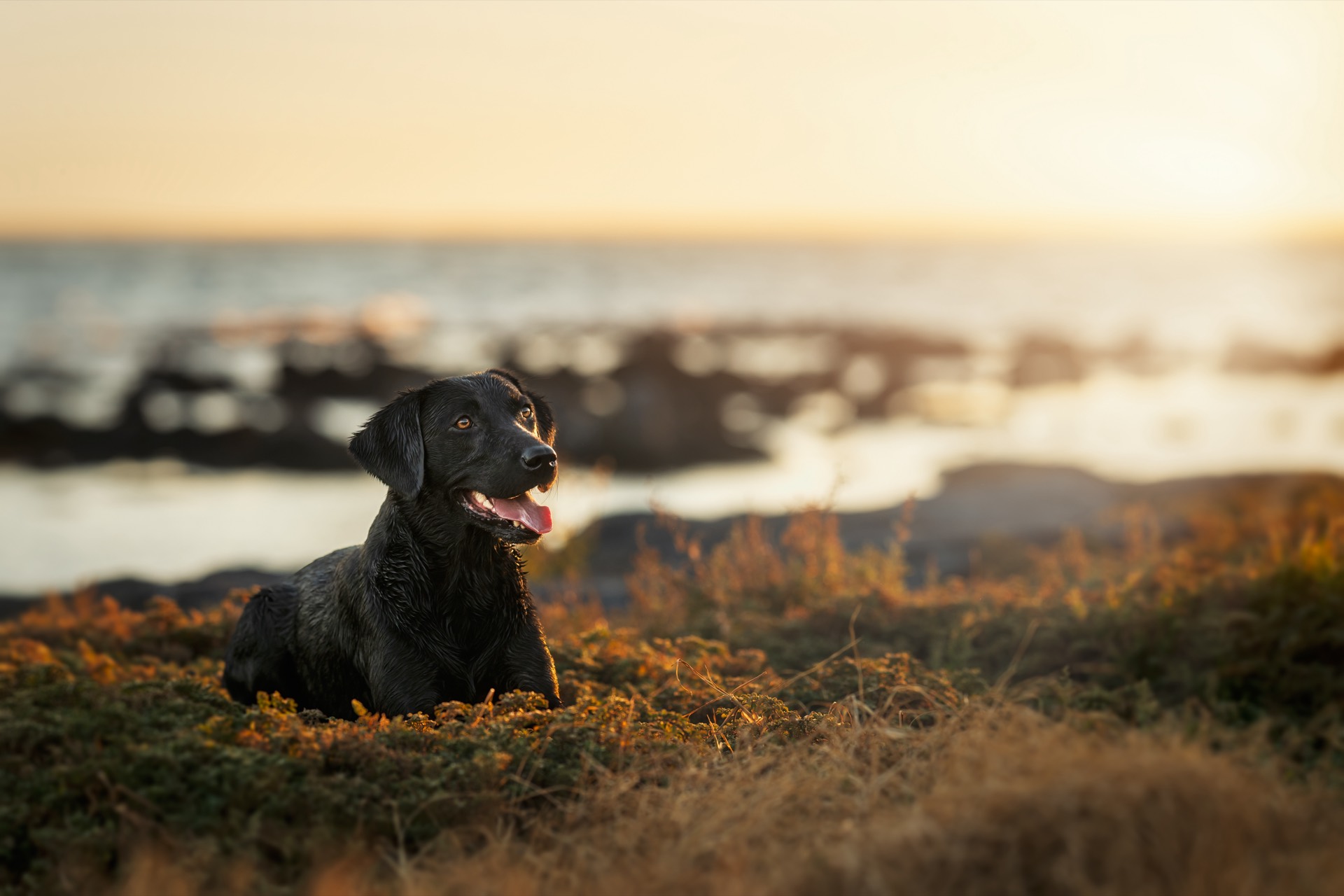
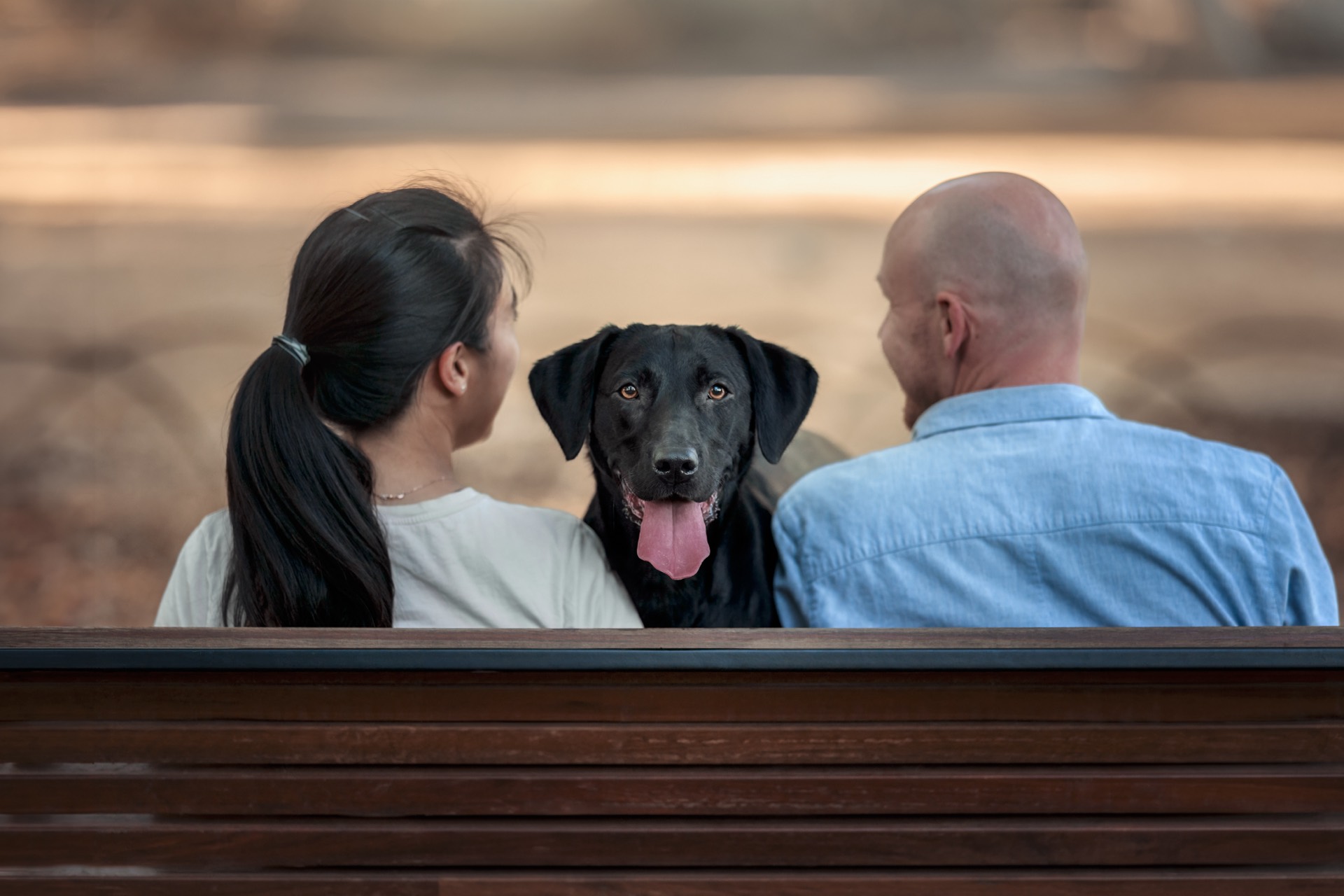
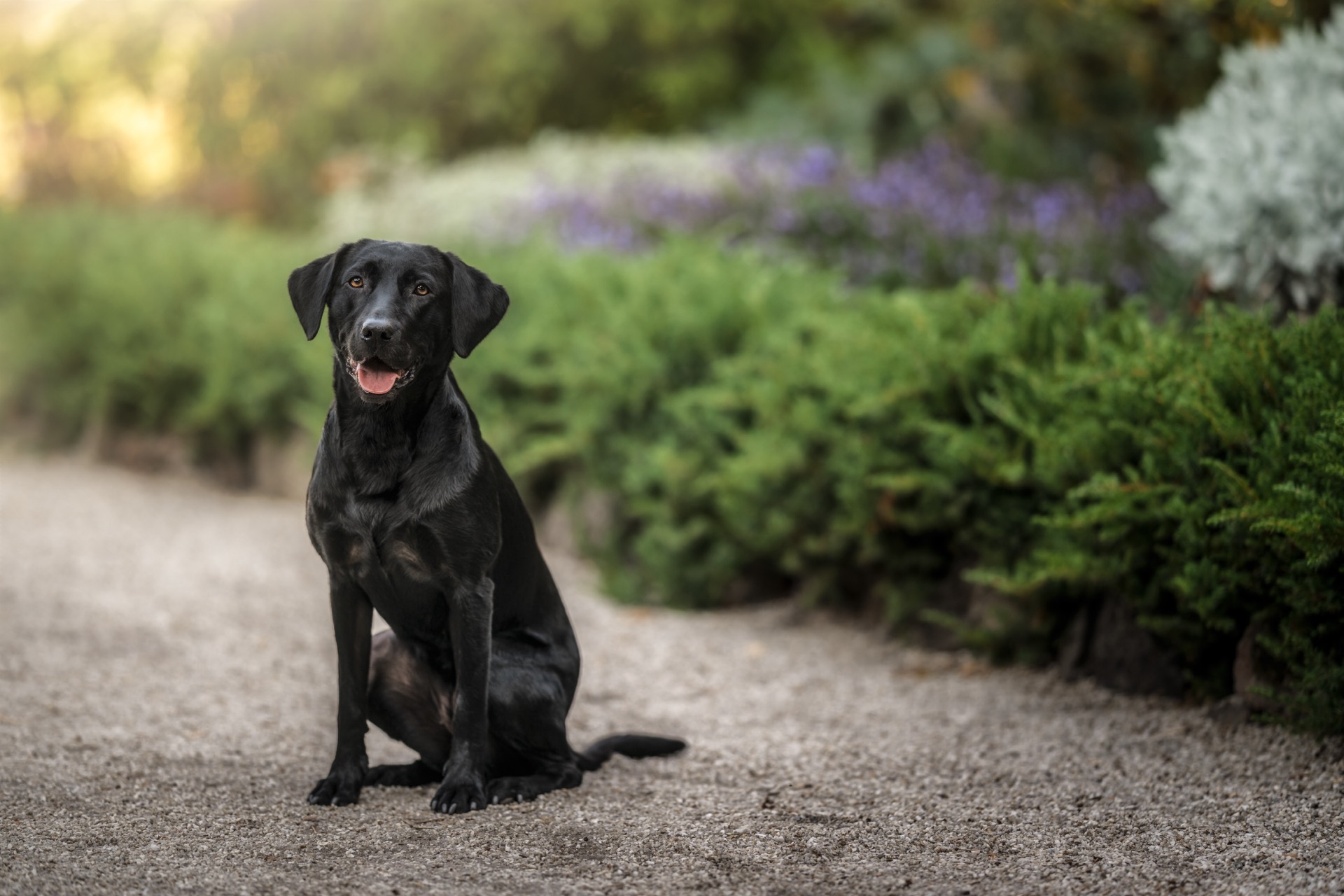
Murphy is my current dog. She's a five-year-old black Lab, and she's a certified assistance dog. She is the proof of concept.
Her good behaviour doesn't depend on whether I'm watching, whether I have a treat in my hand, whether I'm in the room. It depends on the structure she lives inside. The routine. The cycles of rest and engagement. The way the household holds its expectations of her so consistently that she stopped checking whether the rules still applied.
Working with Murphy showed me what was missing from most of the training I'd watched. Trainers either ran a boot camp, all structure and no room for the dog to be a dog, or a free-for-all, all freedom and no clarity. The work I do sits in the middle on purpose. A dog needs structure to know what's expected, and it needs genuine off-time to be an animal. Neither alone is enough.
Why this work
I left institutional training to do this because the problem I cared about wasn't inside an institution. The dogs that were failing were ordinary household dogs. They had owners who loved them and had tried, often multiple times, to get help. They came home with a list of commands and a more anxious dog than they started with. They didn't need another trainer telling them what to say to their dog. They needed someone to teach them how to read it.
I started my own training business in 2022. I see private clients in Melbourne. I take virtual cases anywhere in the world. And I now teach the methodology to other trainers through The Hachi Way, because the number of dogs I want this work to reach is more than I can deliver on my own.
Credentials
- Command Dog Training Trainers Course
- Bachelor of Veterinary Science, University of Melbourne, 2015
- Master of Early Childhood Education, Monash University, 2018
- Exotic animal training, Ocean Park, Hong Kong
- Wildlife training, Namibia
- Assistance dog training for PTSD, ASD, and epilepsy
- Founder of Diona the Trainer, Melbourne, with a demonstrable track record across reactive cases, puppy raising, and assistance dog programmes
Where I work now
I work as Diona the Trainer in Melbourne. Sessions in Newport, Docklands, and the Williamstown corridor; home visits available with a call-out fee; virtual consultations worldwide. dionathetrainer.com is the booking and contact point for that work.
I also lead the certification programs at The Hachi Way and oversee the methodology. If you've found this page through one of my trainers, that's because the work they do is what I teach.